L’Appel du Vide.
North Gallery. Fitzroy, Melbourne. Australia
21.02.2026 - 07.03.2026
Images by Phillip Huynh
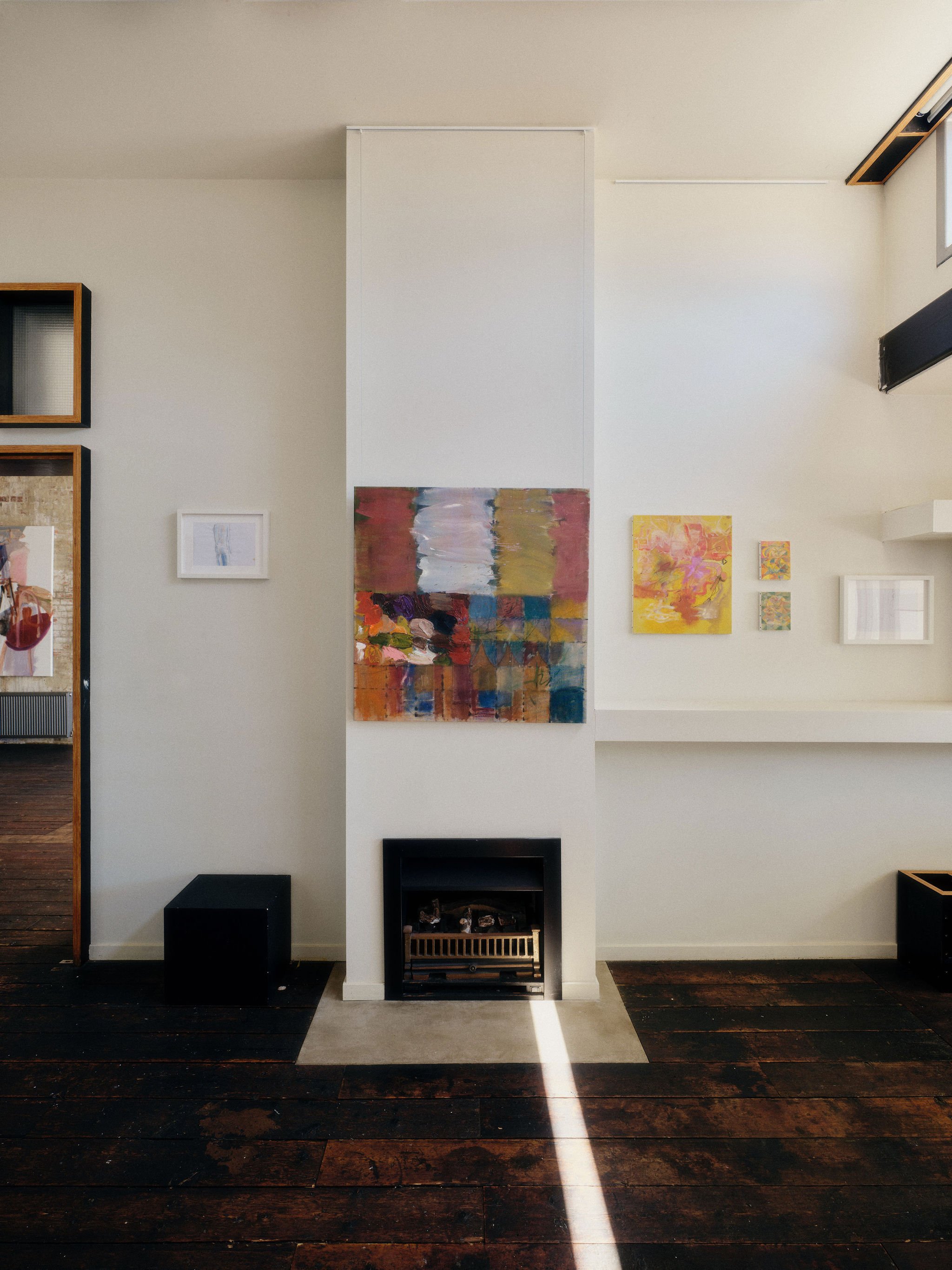
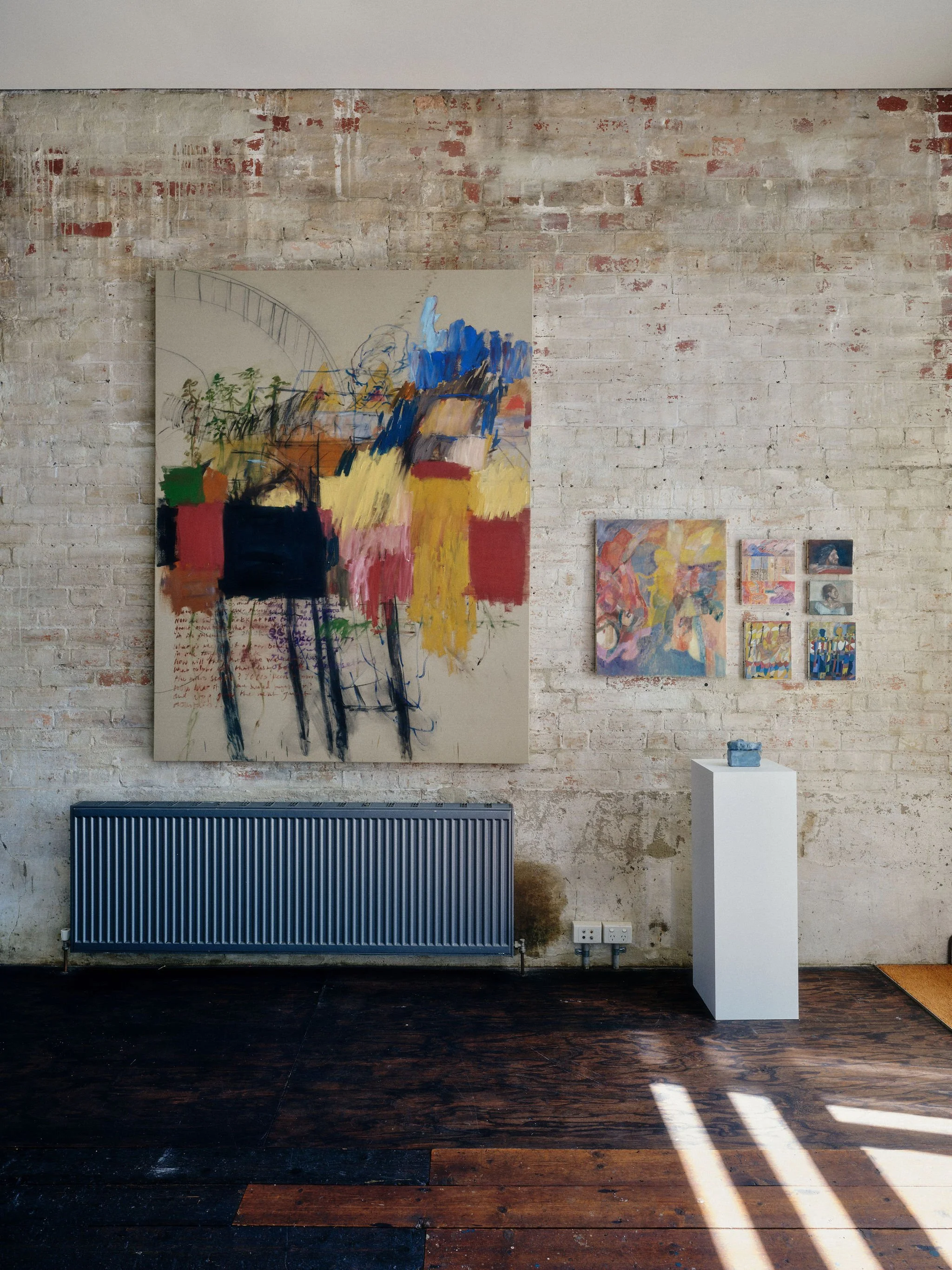
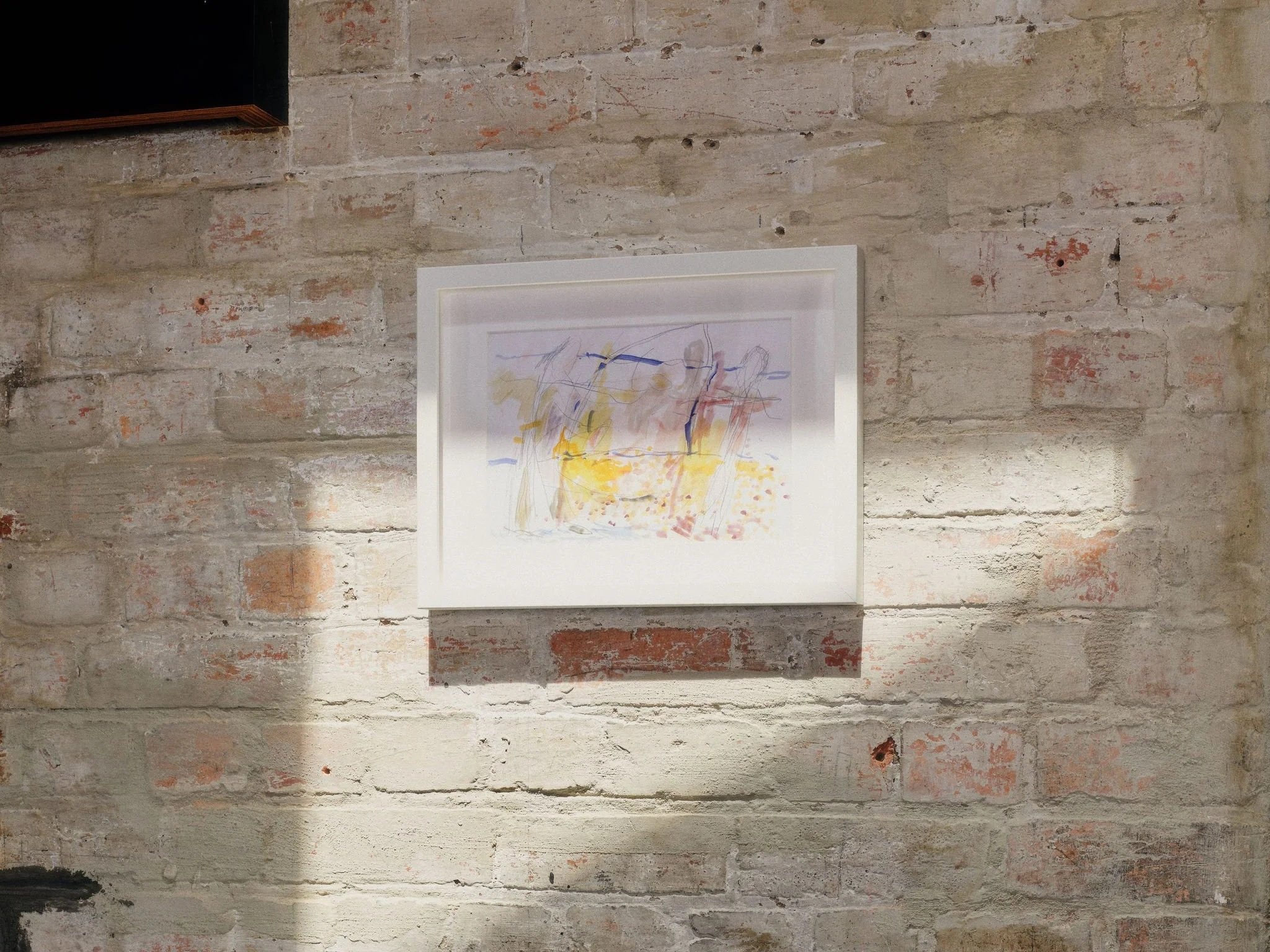
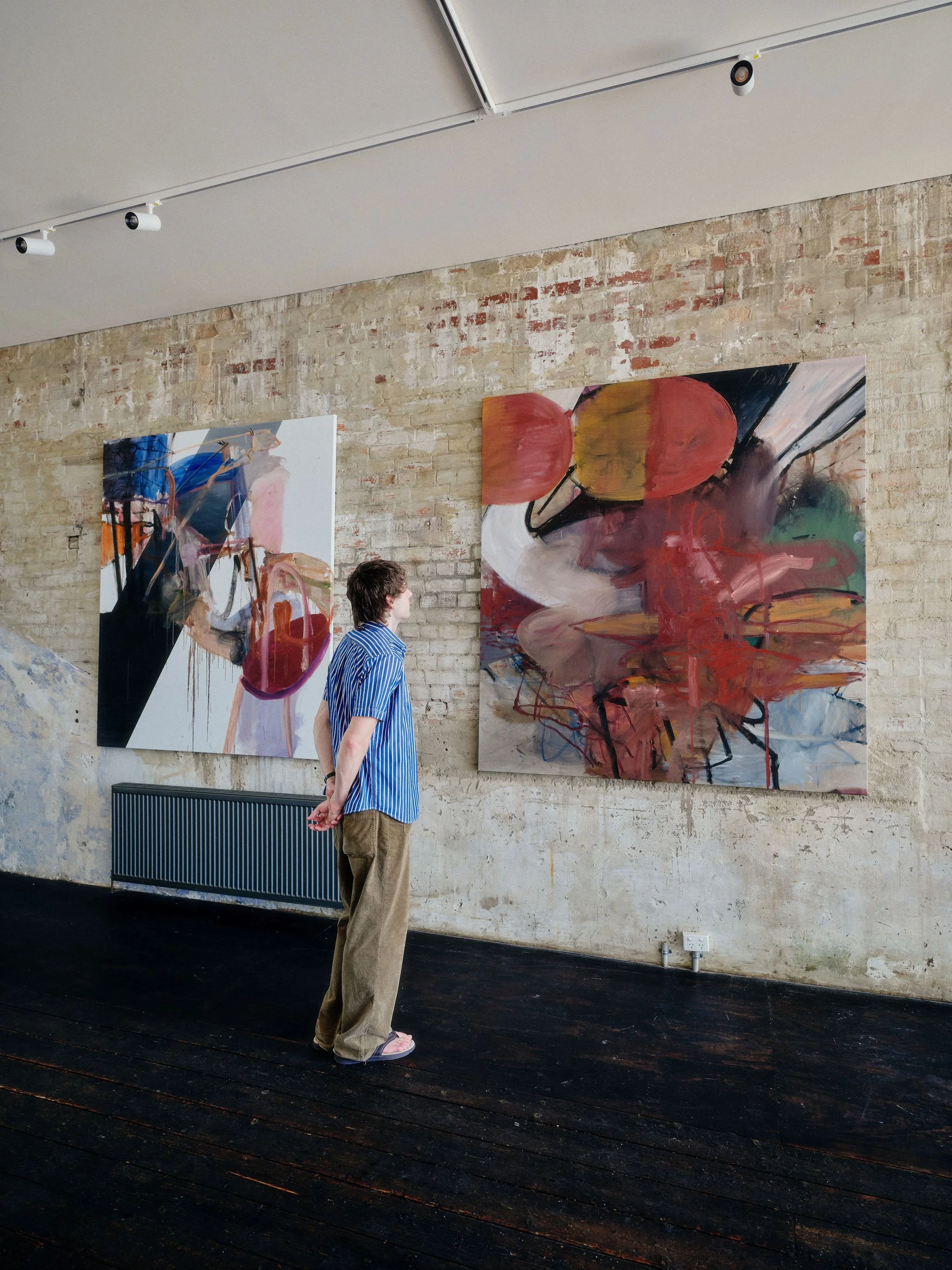
This body of work emerged during a period of living and painting in Paris, shaped by constant movement, temporary routines, and fleeting encounters. Days unfolded through walking, eating, returning late, and leaving again. People appeared briefly, charged with intensity by the awareness that they might never be seen again. Attention sharpened and softened in waves. To live between places was to exist in a heightened state, where nothing felt fully stable and everything seemed provisional.
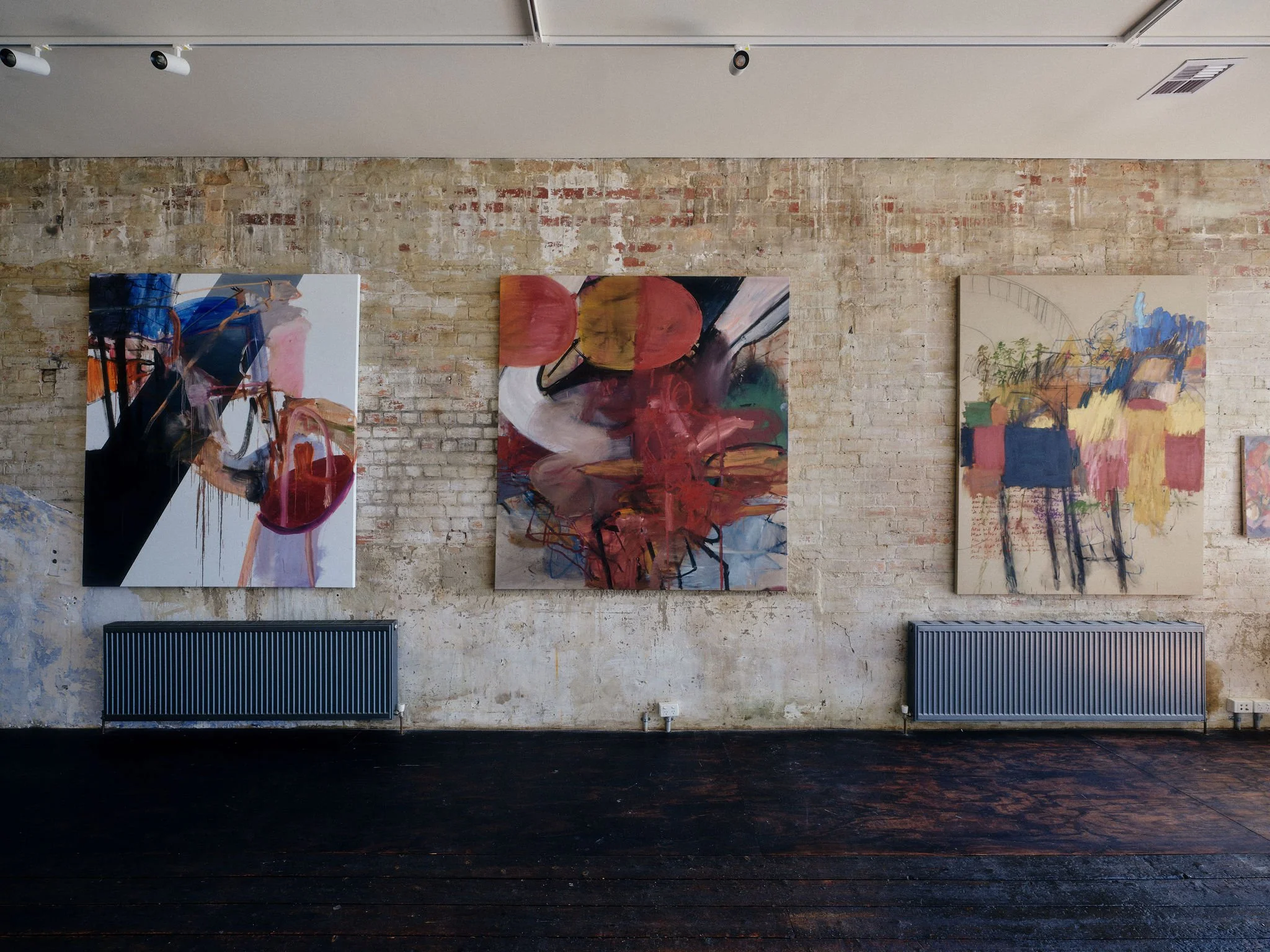
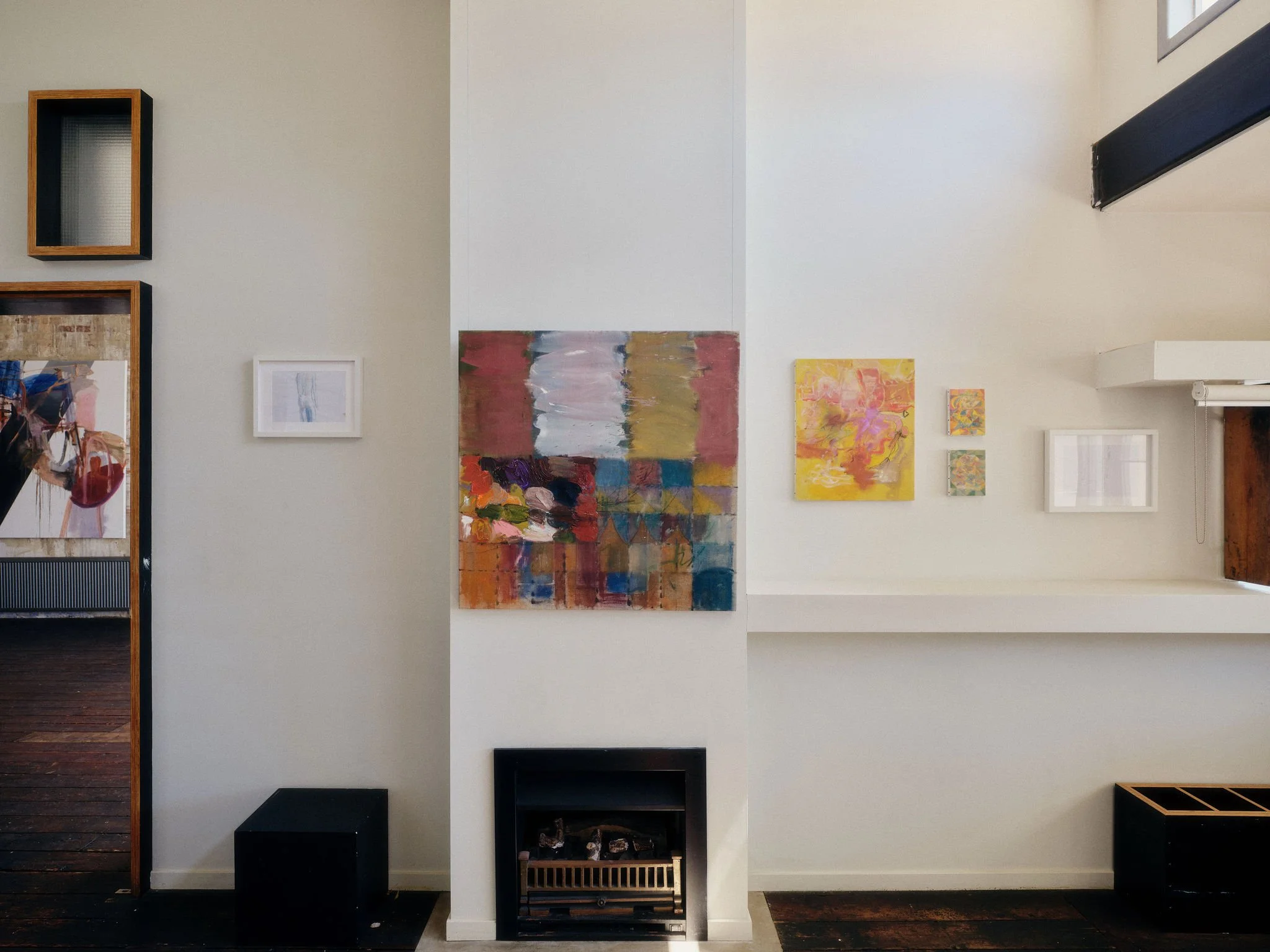
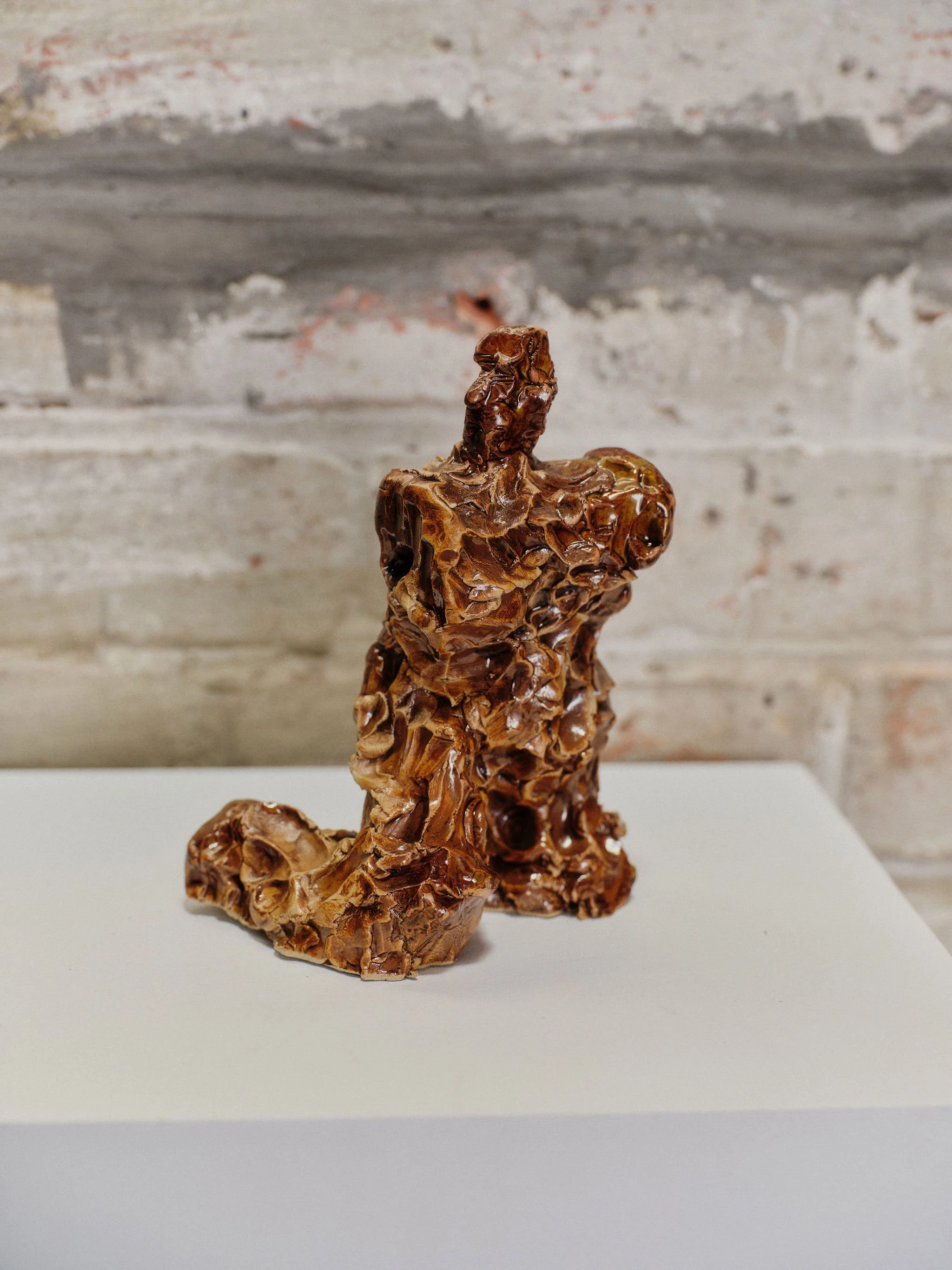
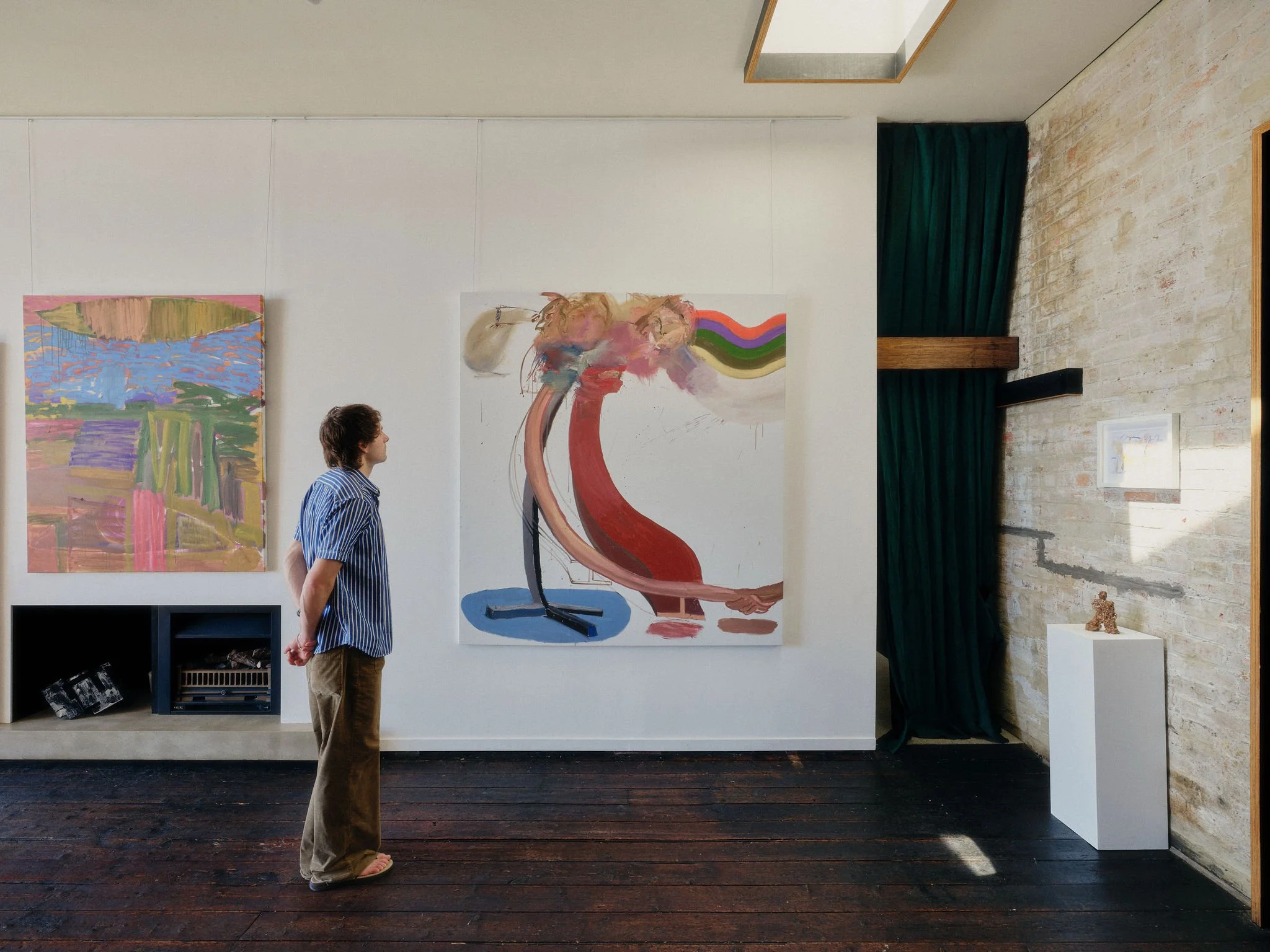
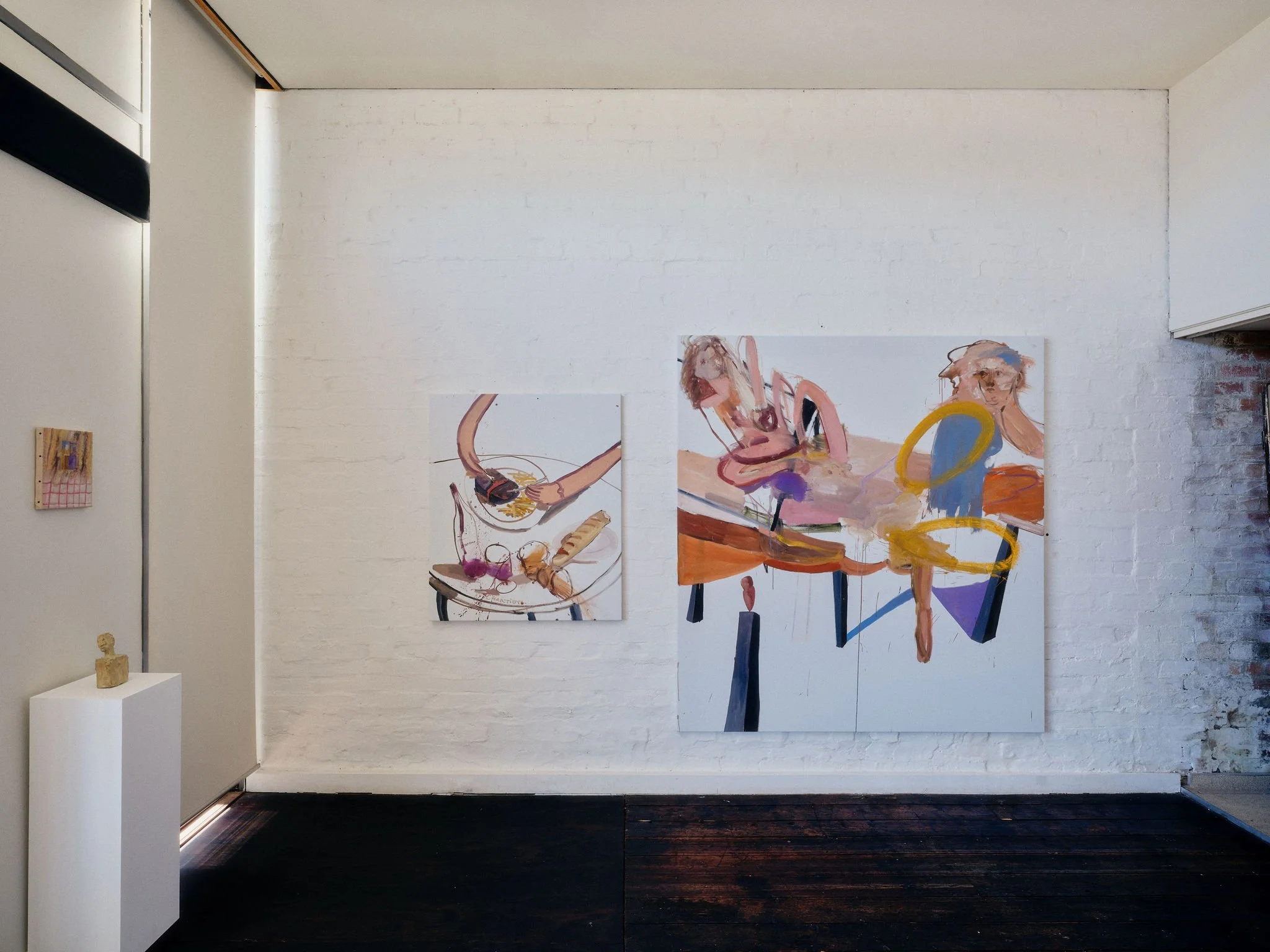
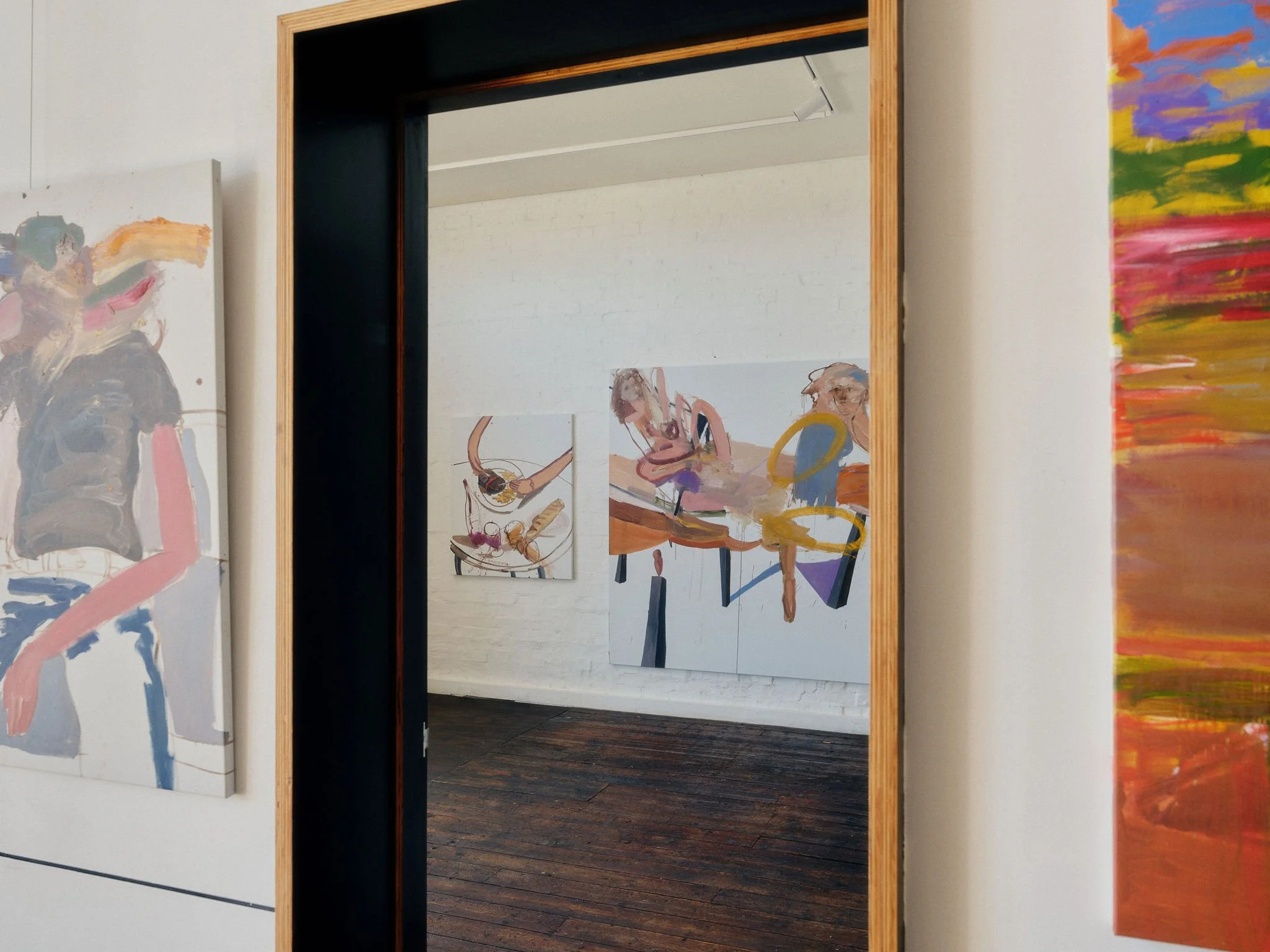
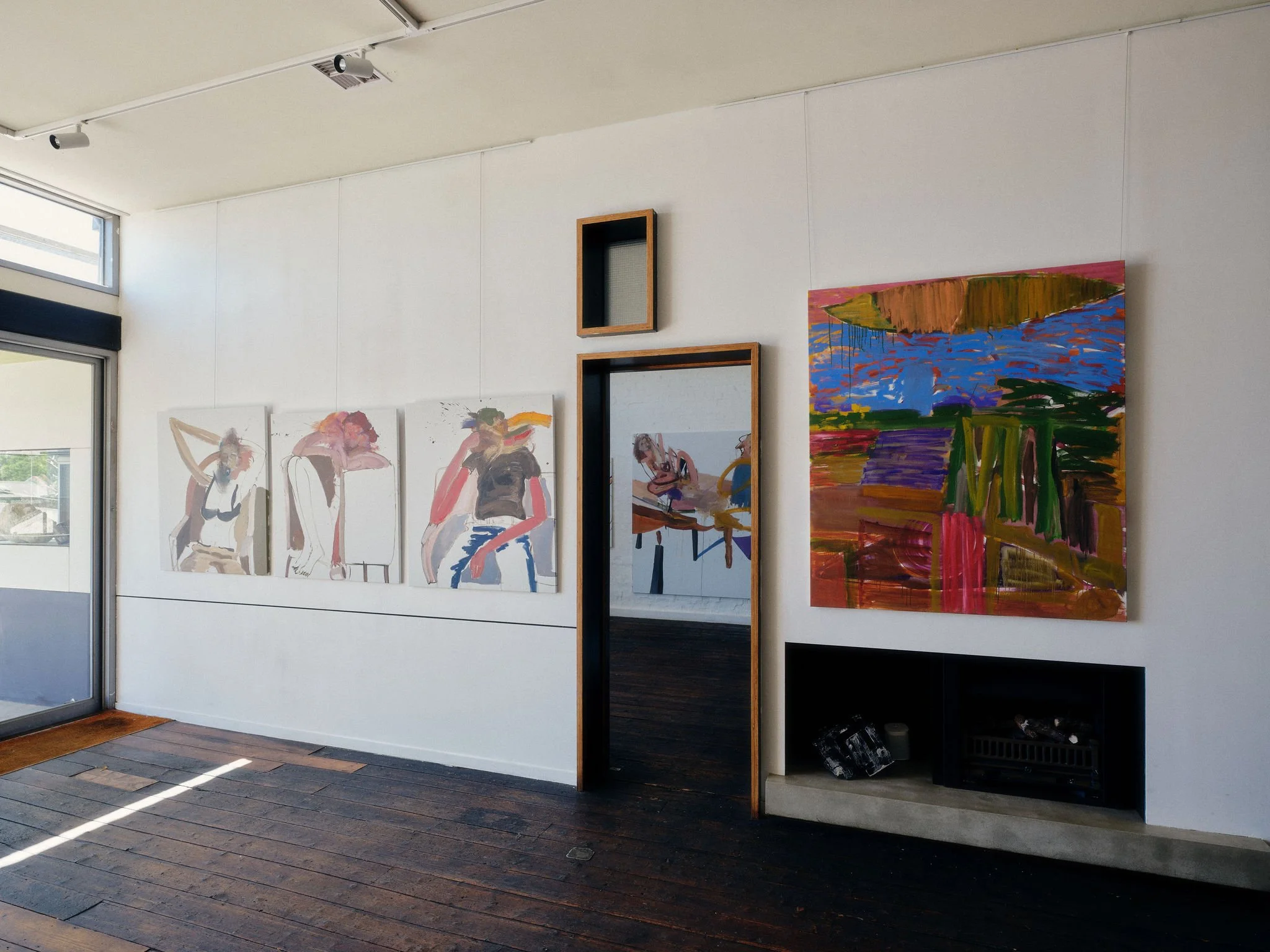
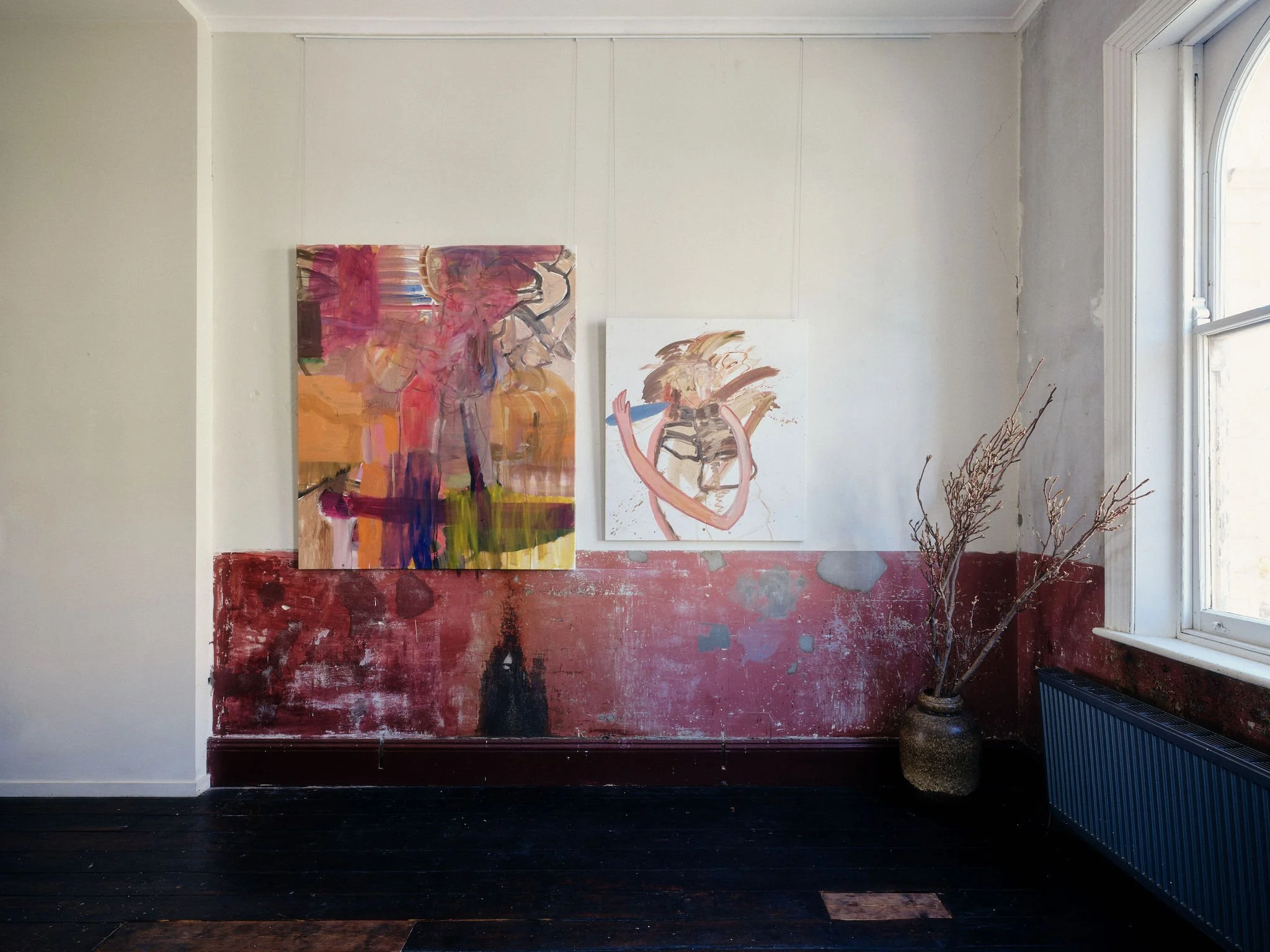
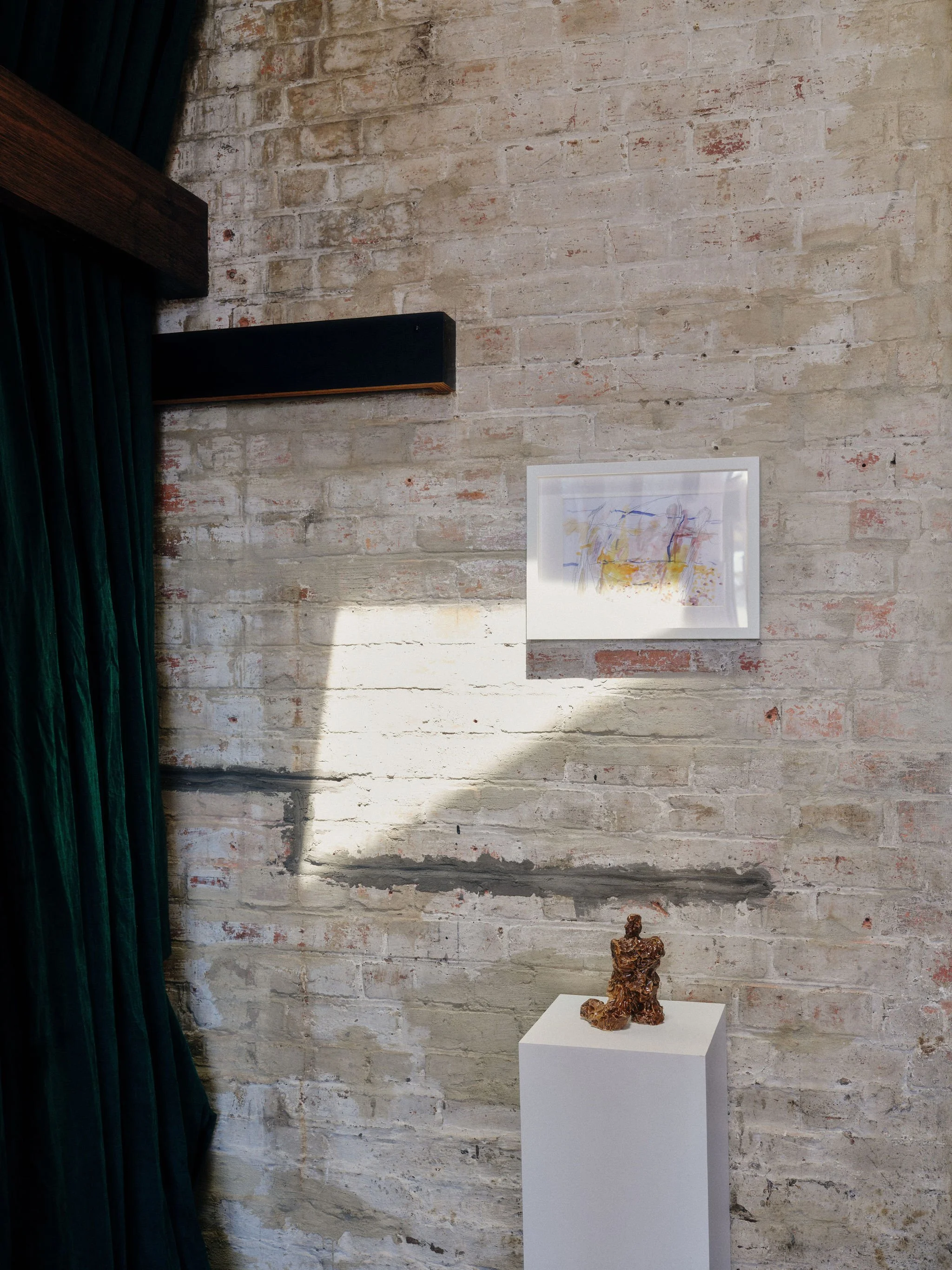
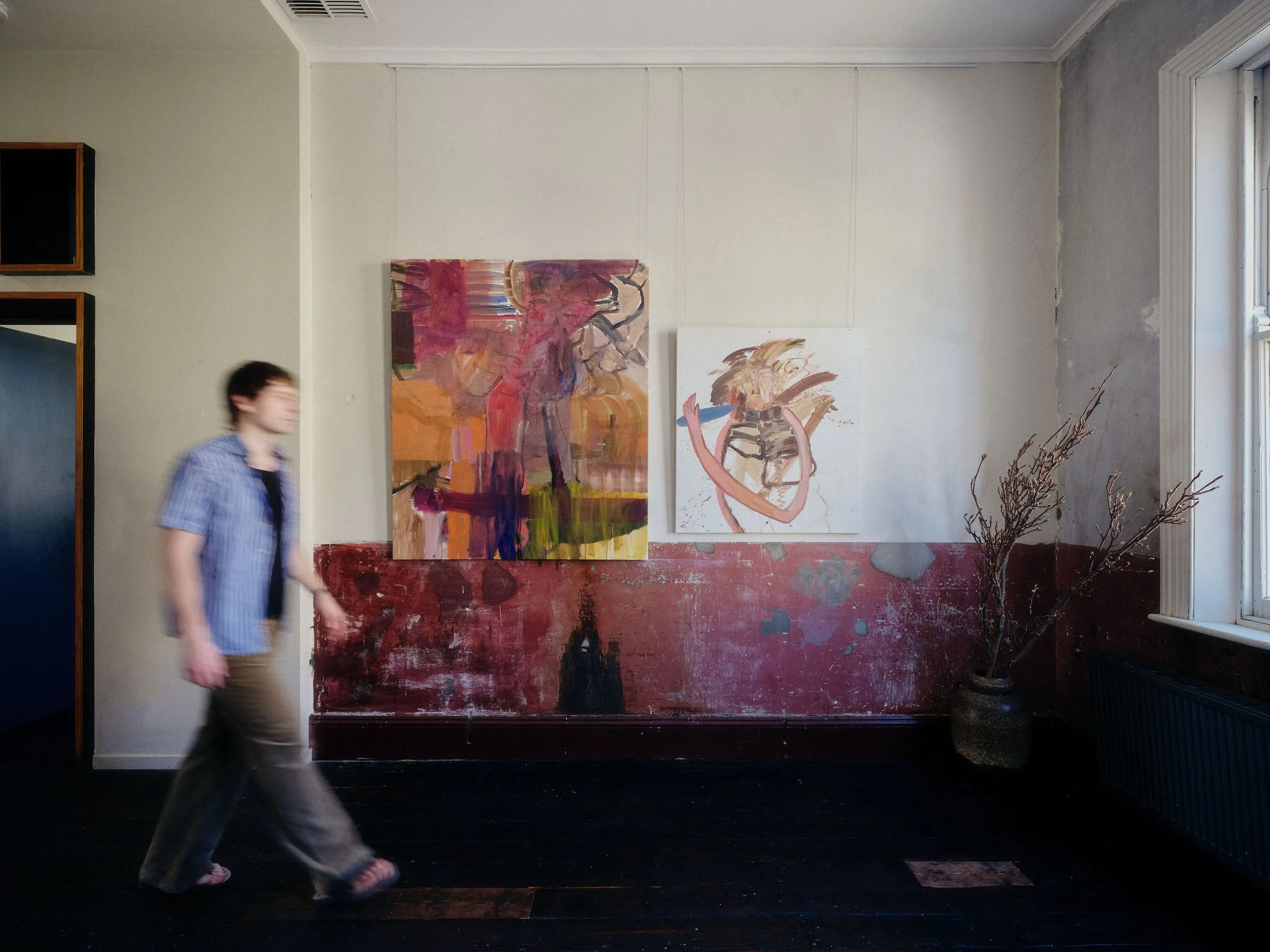
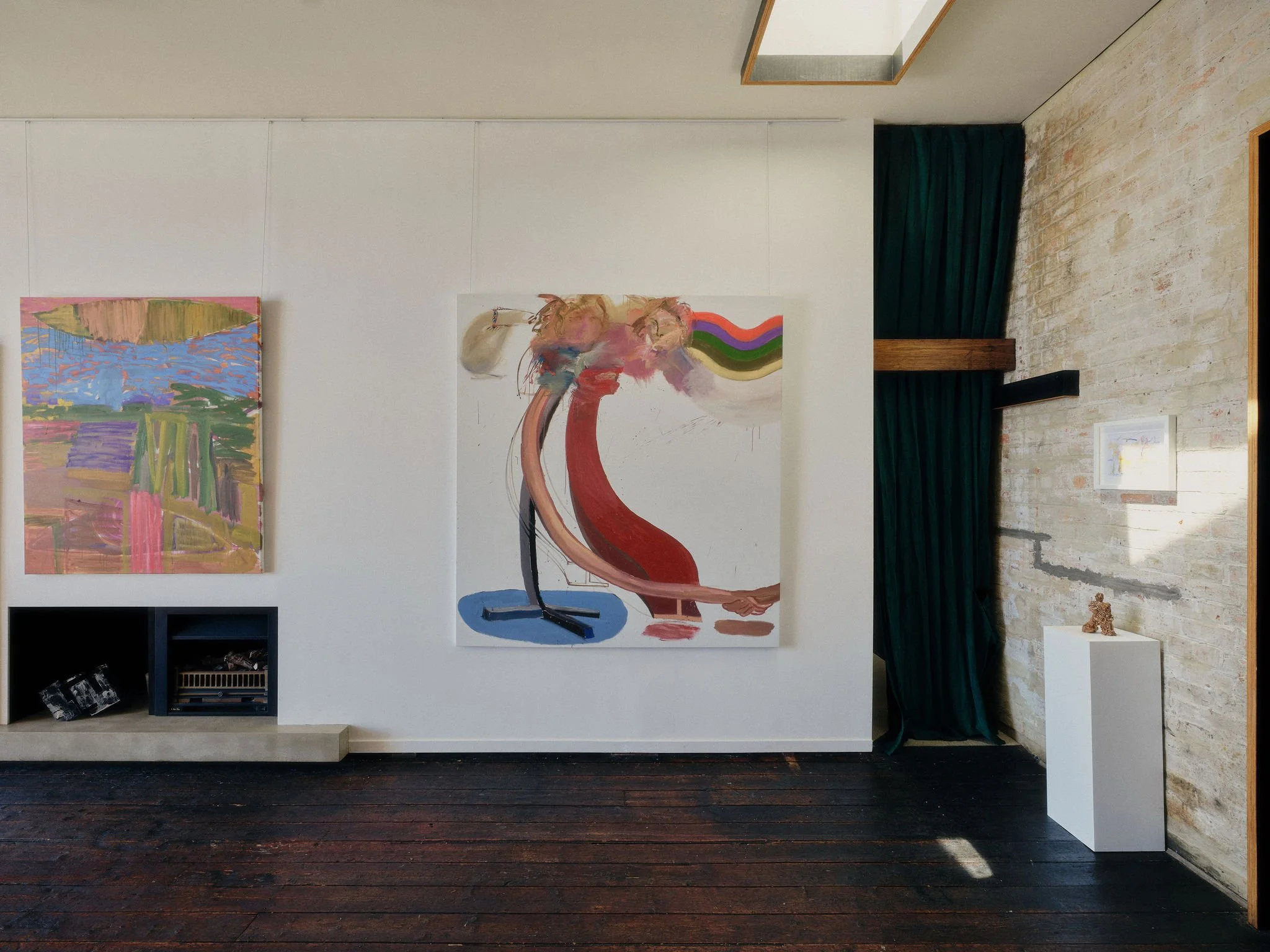
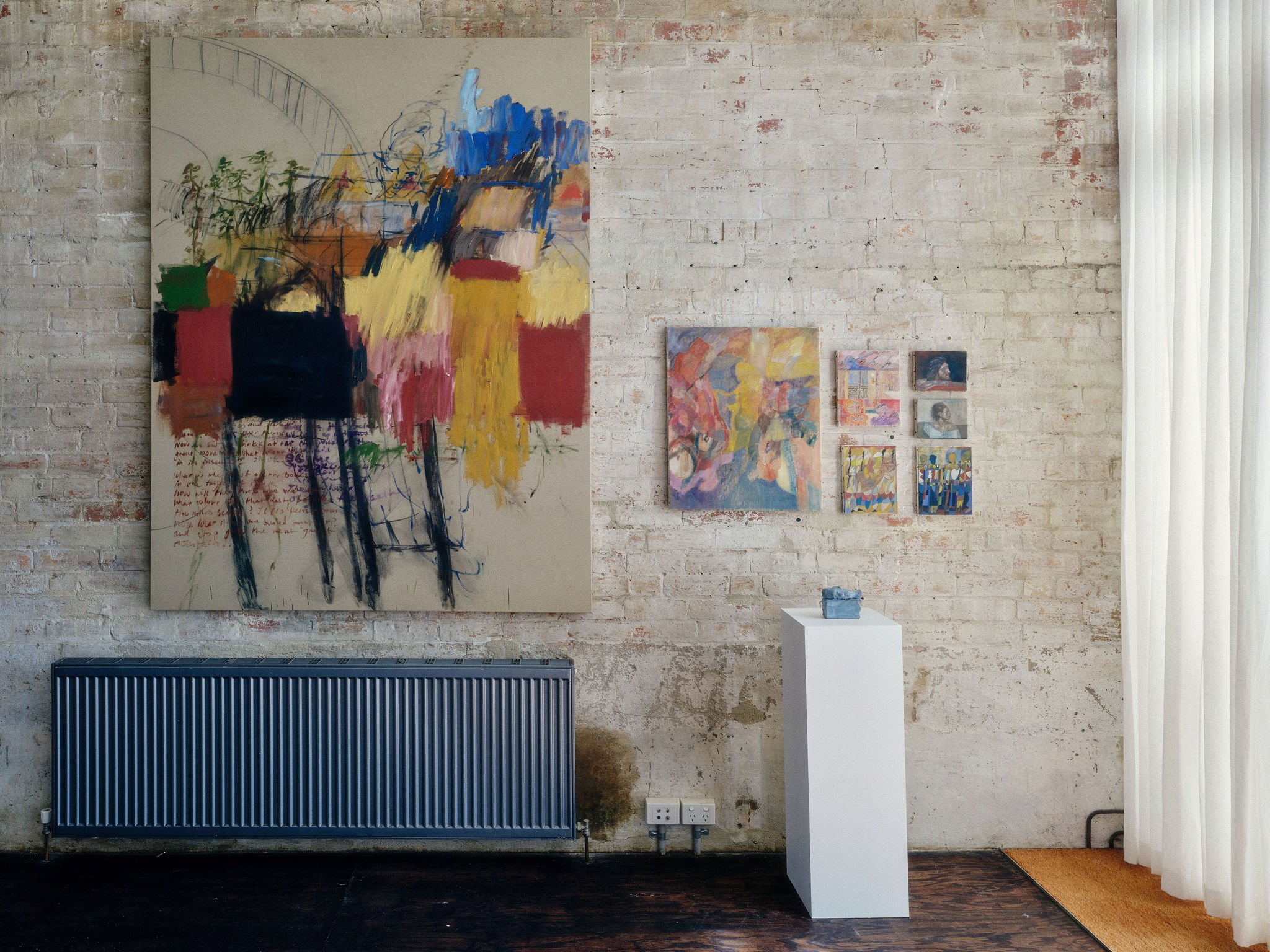
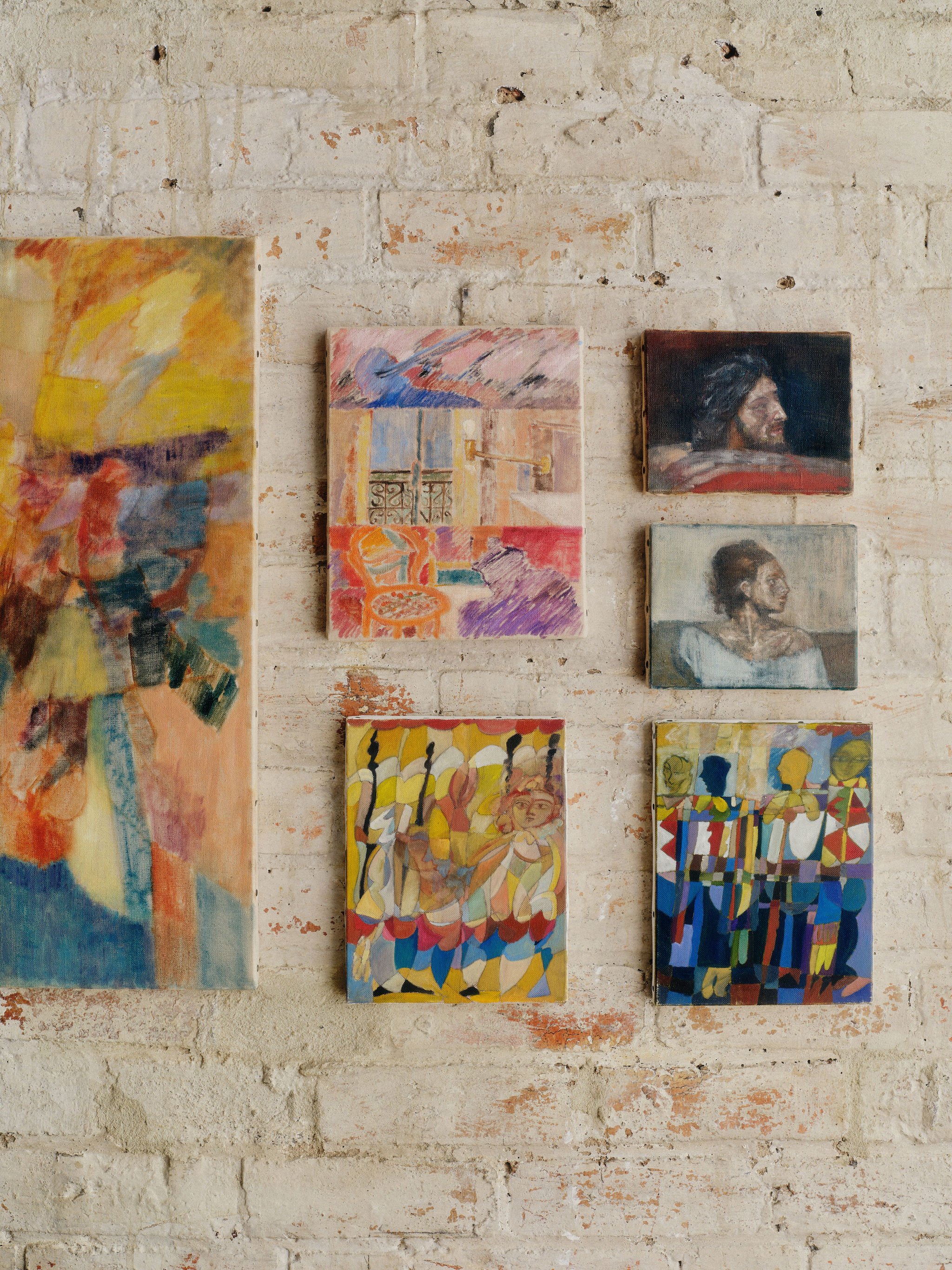
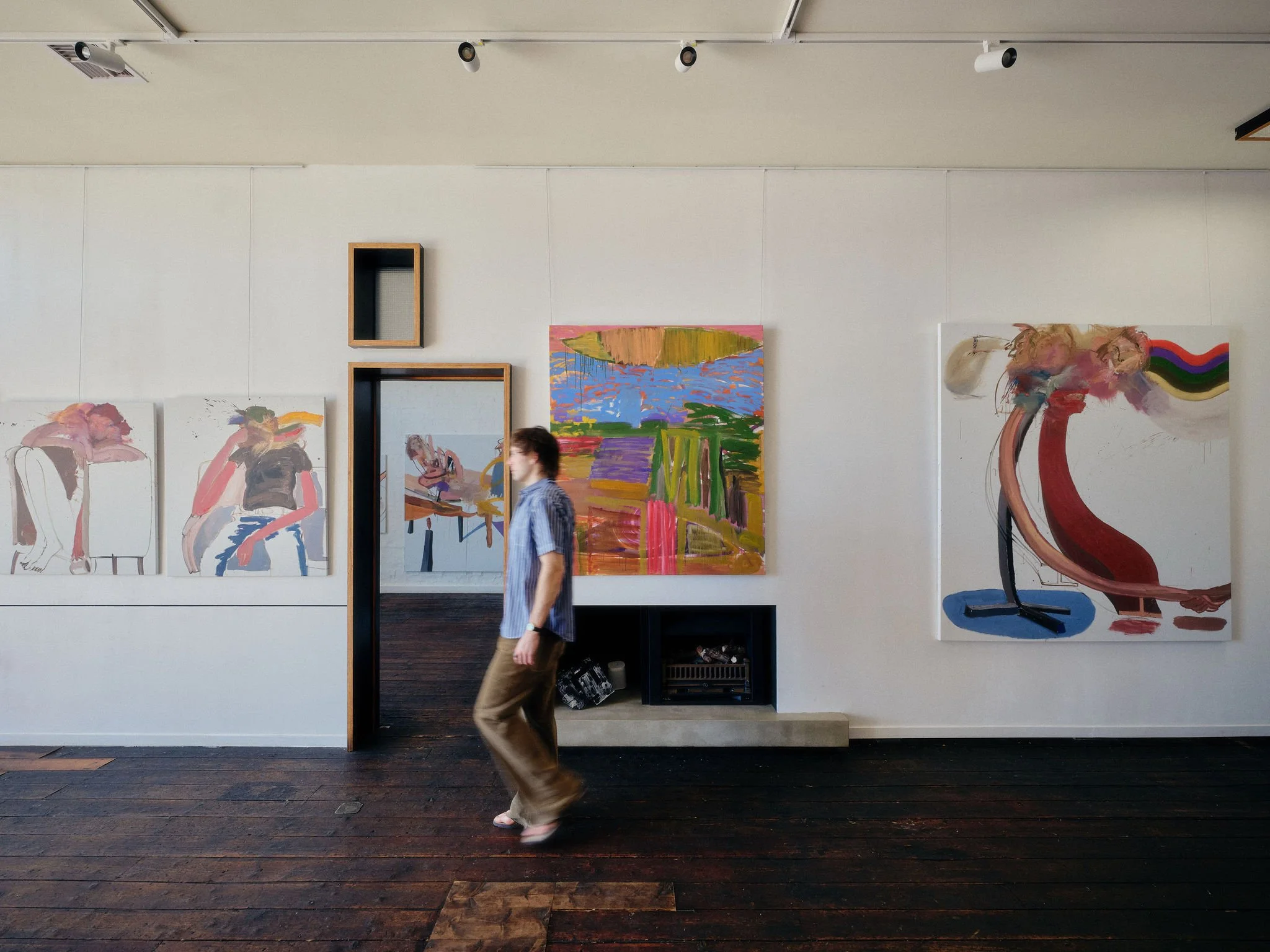
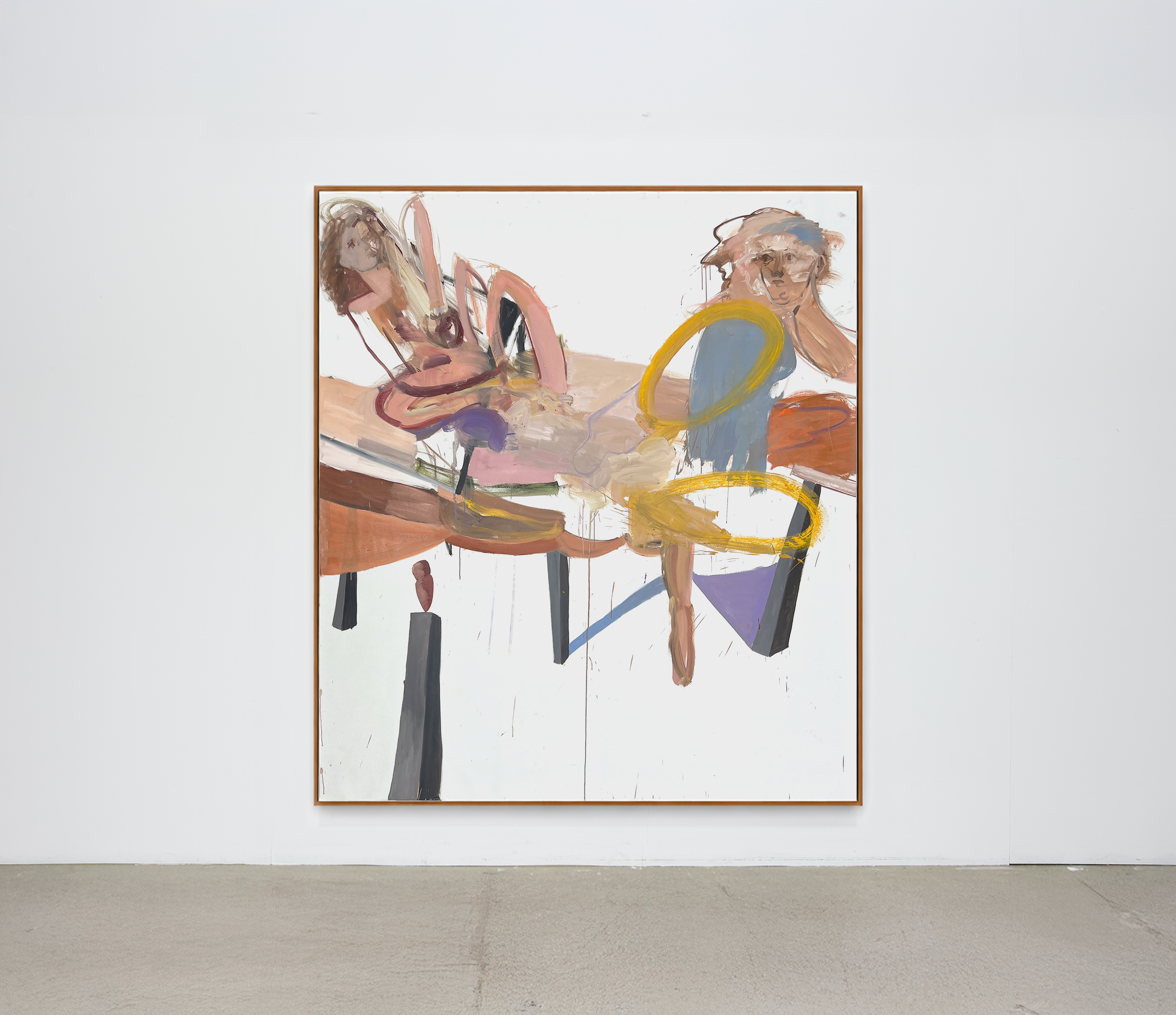
The paintings reflect this condition. Figures appear loosely formed, as if caught mid-gesture or mid-thought. Bodies stretch, fold, blur, and reassemble, never fully settling into permanence. At times they seem to disintegrate into colour and mark, only to be pieced back together again by instinct rather than structure. This instability is deliberate. It mirrors a way of being in which the body remains alert, suspended between presence and disappearance, always on the verge of transition.
Many of these ideas are informed by the French idiom l’appel du vide, often translated as “the call of the void.” The phrase describes the sudden, intrusive urge to do something dangerous or irrational, such as stepping closer to an edge or imagining a fall. Importantly, it does not describe a desire for death, but rather a confrontation with possibility. It is the mind momentarily recognising the openness of choice, the fragility of control, and the fact that things could be otherwise.
Within the paintings, l’appel du vide becomes a way of understanding both form and experience. The figures appear as though they are leaning toward something unknown, hovering at the edge of collapse or transformation. They are not falling, but they are aware of the potential to do so. This tension between holding and letting go animates the work. The void is not depicted as an abyss, but as a charged space where identity, desire, and self-awareness are renegotiated. To approach the void is to ask a question rather than to seek an ending.
This attitude resonates with ideas articulated in David Wagoner’s poem Stand Still, which frames place as something that must be encountered with attentiveness and humility. The poem suggests that to truly arrive somewhere, one must pause and allow the place to recognise you. In this sense, the paintings do not attempt to describe Paris directly. Instead, they register moments of hesitation, disorientation, and contact, as if the city is experienced through fragments, glances, and bodily sensation rather than certainty.
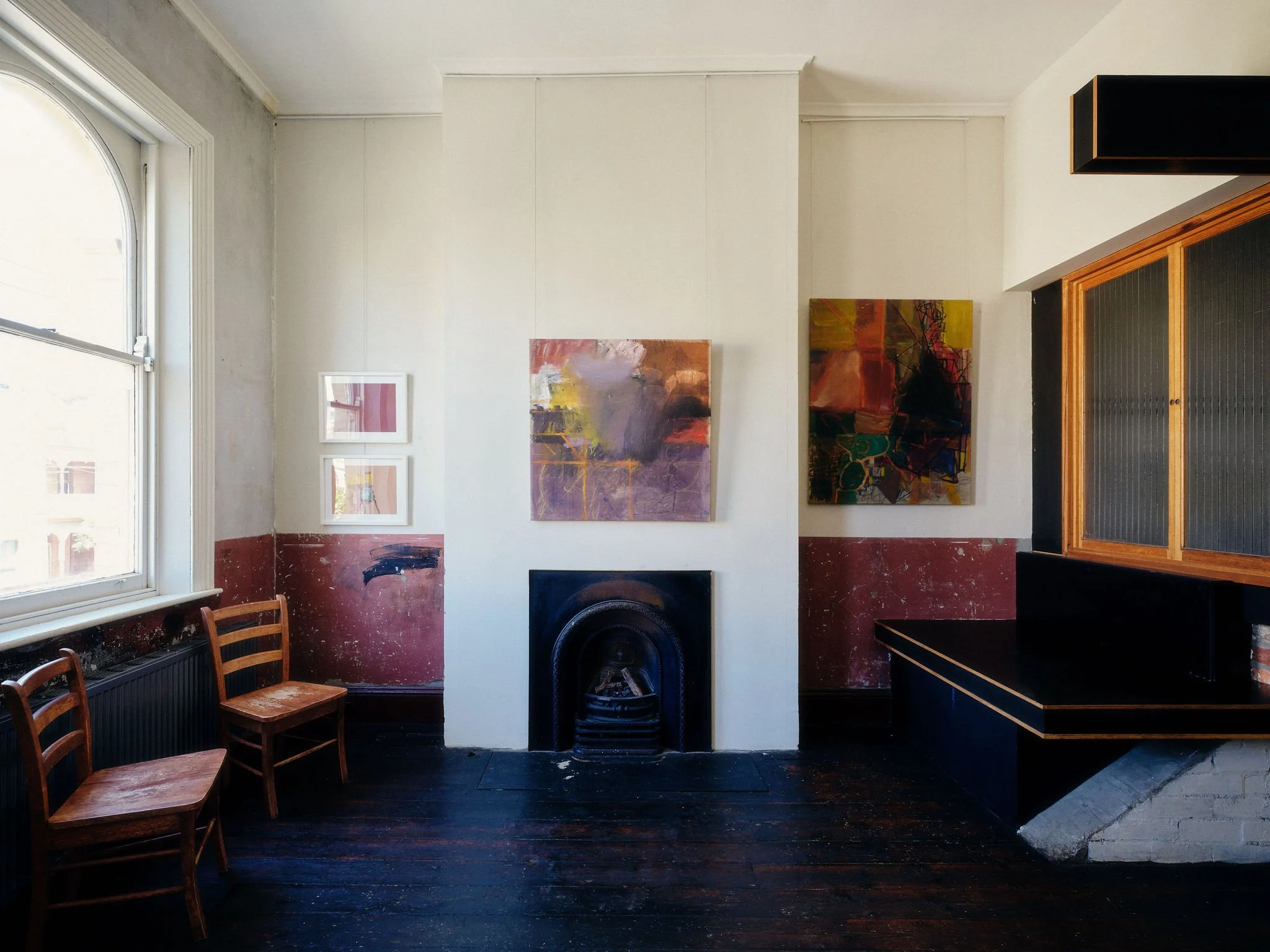
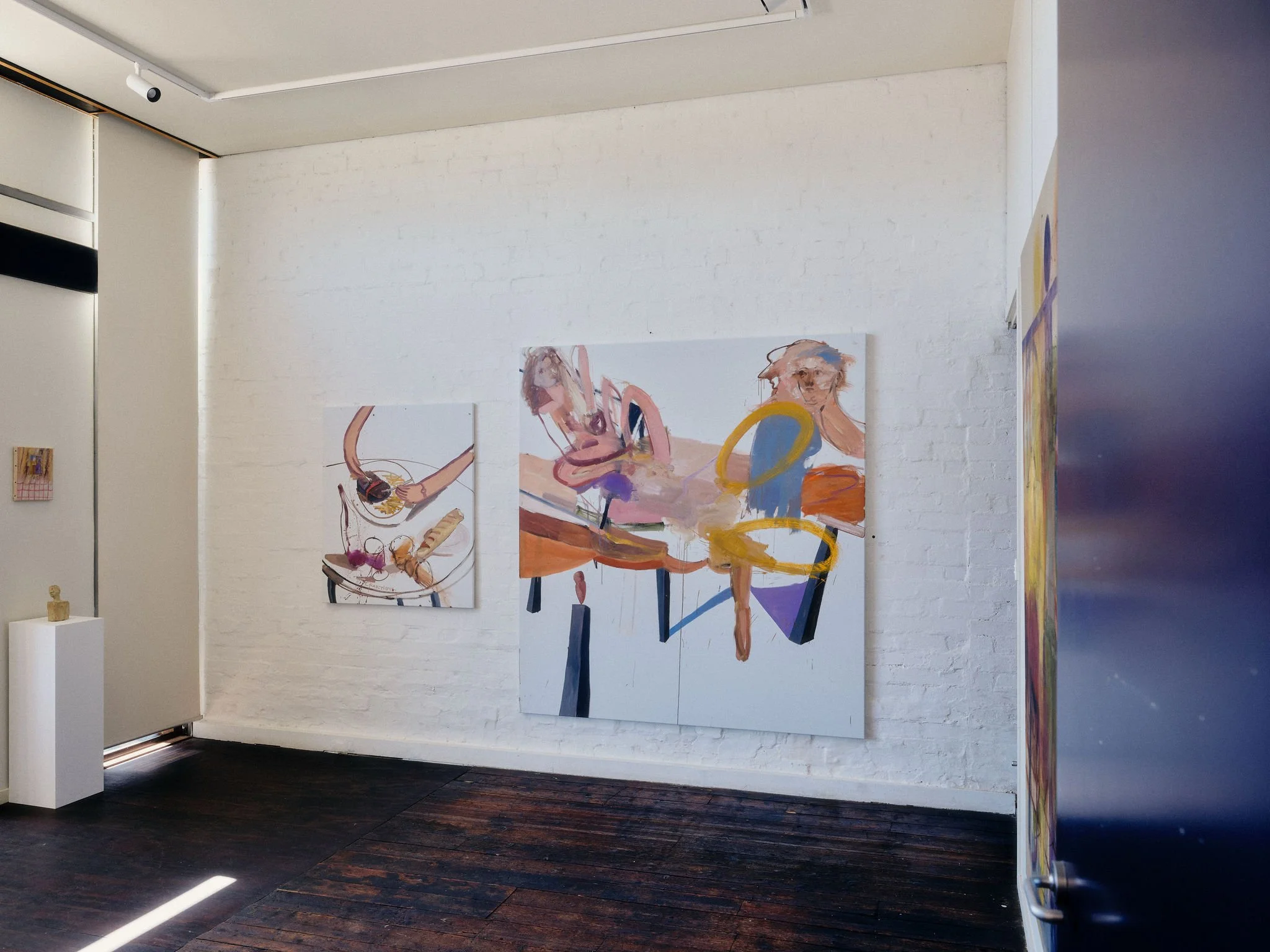
Throughout the work, interiors recur as a persistent motif. Figures are situated in rooms that exist somewhere between the familiar and the endless unknown, spaces that feel simultaneously domestic and unstable. These interiors function in two ways. On one hand, they investigate intimacy and how closeness, vulnerability, and desire are experienced in the face of an expansive, indifferent world. Moments such as sex become acts of intense concentration, where attention collapses inward despite the distant knowledge of vastness, of cities, continents, and stars. Choosing closeness becomes an act of surrender, a deliberate narrowing of focus against the enormity of existence.
On the other hand, these interiors act as sites of introspection and retreat. When moving through unfamiliar places, especially in isolation, the inner world becomes a refuge. In the absence of familiarity, self-dialogue intensifies. One turns inward, conversing with the only constant companion available. Here, the street becomes the site of most activity, while the solitary meal becomes the most reliable form of companionship, a quiet ritual repeated across days, cafés, and cities.
Home, within this body of work, is not a fixed location but a shifting condition. It is formed through temporary arrangements, memory, and moments of recognition. To move through unfamiliar places is to experience longing alongside arrival, to miss what is absent while learning how to stand still long enough to be found where you are.
Throughout this body of work, White explores the tension between distance and presence, and the condition of longing, where attachment to what is missed exists alongside a growing ease within unfamiliar places.